
Selected Work
Software working in the real world.
Every project starts with a real problem. These are some examples of how I combine product design, user experience, software engineering, and artificial intelligence to turn complex challenges into solutions that deliver value.
TÜV NORD Argentina · Cóndor System
2023-2025 · Enterprise platform · Artificial intelligence
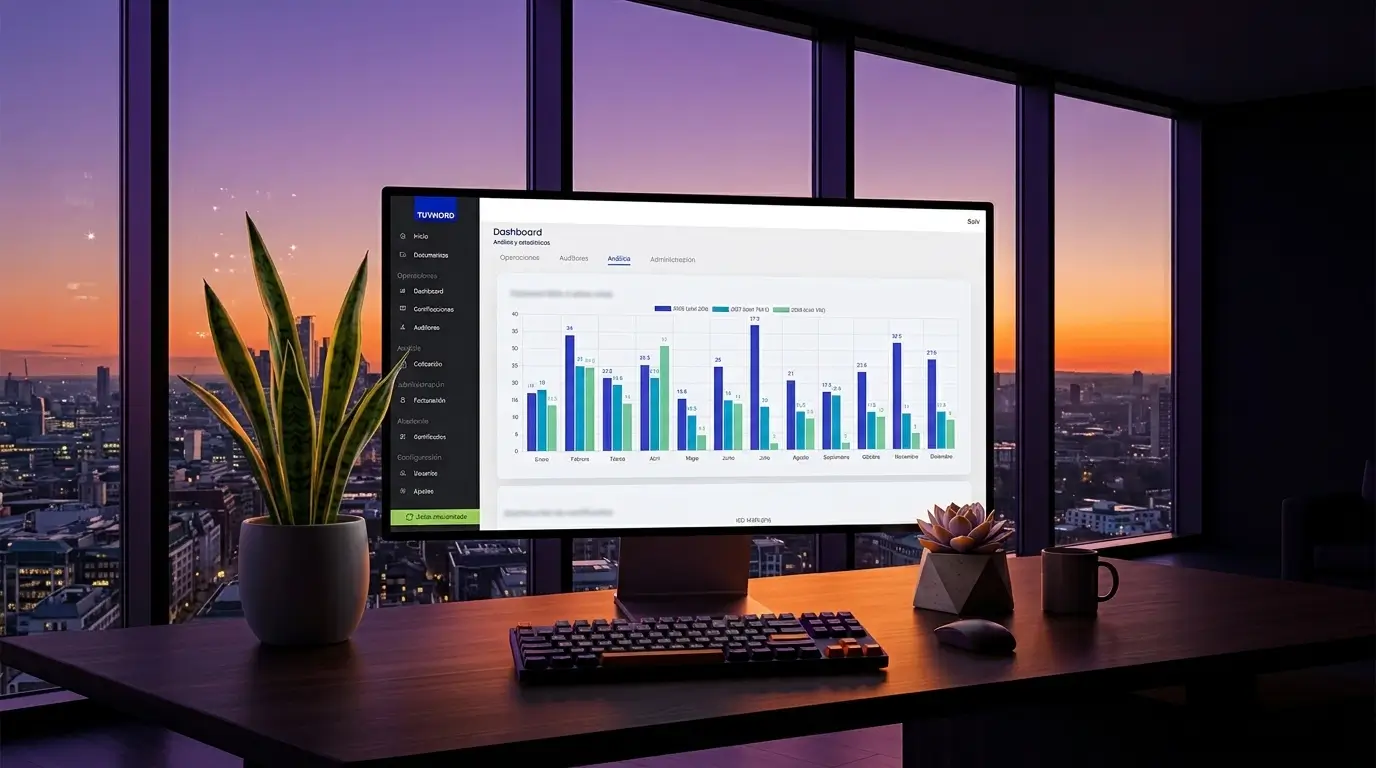
TÜV NORD needed to bring a complex commercial and operational process into a single platform. Preparing a proposal involved analyzing technical documentation, certification requirements, business rules, and auditor availability, with significant manual work.
The challenge
The system needed to combine structured business rules with large volumes of technical information while supporting users with different levels of expertise.
AI could accelerate the process, but people still needed visibility, judgment, and control over the generated proposals.
The solution
I designed and built a platform that brings together requirements evaluation, commercial proposal preparation, and resource coordination.
It combines business rules, technical documentation, auditor availability, hybrid information retrieval, and AI agents.
The experience is designed around AI-generated editable proposals, allowing users to review, refine, and validate the results before moving forward.
Results
From 3 days to approximately 5 minutes
Commercial proposal preparation time.
80% less administrative work
Reduction in manual tasks throughout the commercial process.
Mi Caja · Argentina's Ministry of Security
2019-2023 · Government platform · Web + Mobile
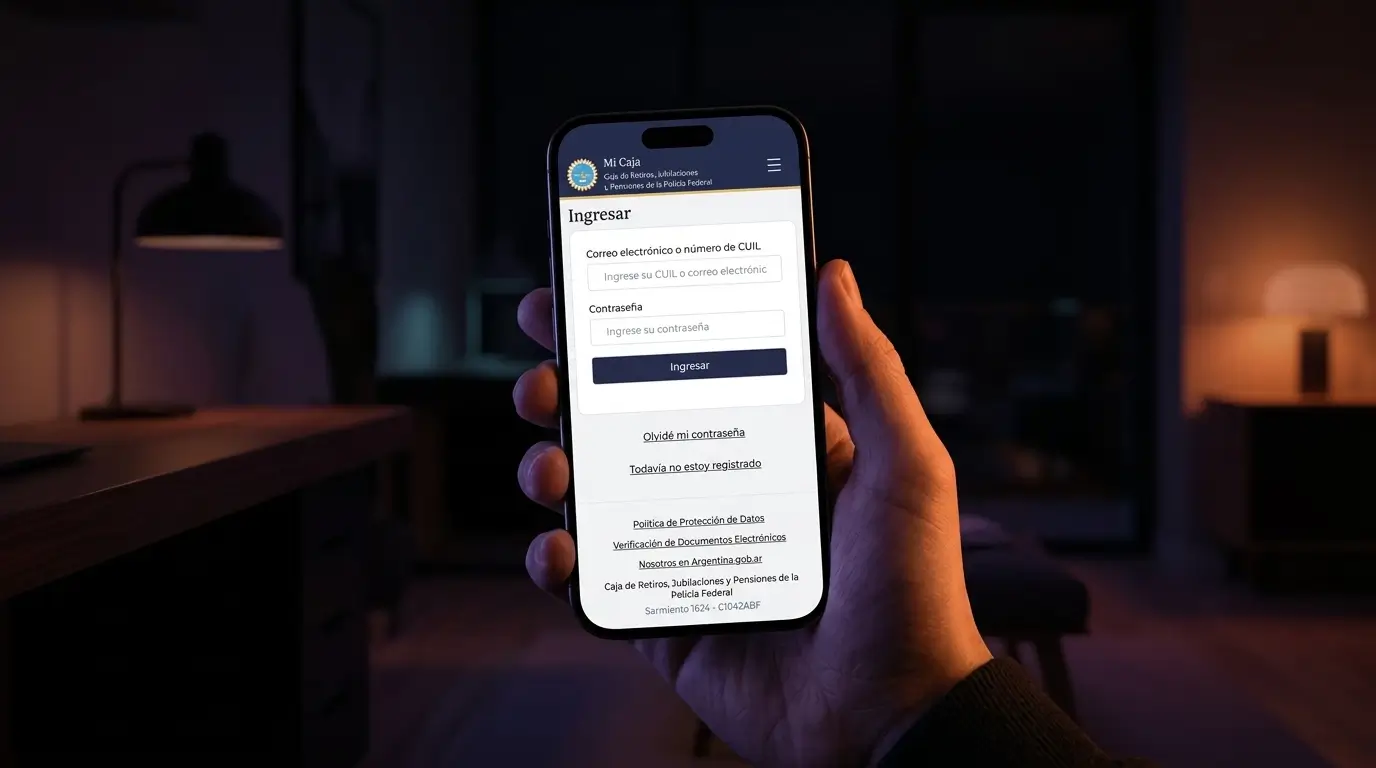
Administrative procedures and operations between government agencies relied heavily on in-person interactions, physical documentation, and multiple coordination steps.
The challenge
Digitizing these processes required much more than moving forms onto a screen.
The platform needed to connect users, documentation, approvals, and government agencies through an accessible and secure experience, ensuring traceability and operational continuity.
The solution
I designed and built a digital platform for managing procedures and operations between government agencies, integrating web and mobile applications, APIs, approval workflows, and electronic document exchange.
The solution centralizes information, automates processes, and connects different organizations, reducing manual tasks and simplifying the user experience.
Results
200,000+ users
Digital services and operations management platform.
70% reduction in processing times
Digitization and automation of administrative procedures.
B2B Industrial Support Tickets
2025 · In development · AI agents · Context engineering

Industrial support cases often begin with incomplete information. Operators and technicians need to reconstruct the context by searching through equipment documentation, previous tickets, internal knowledge, and customer conversations.
The challenge
Customers and support operators need different kinds of assistance.
The system must help collect useful information from the first interaction and later provide relevant context to the support team, without replacing human judgment or taking control of decisions.
The solution in development
I'm designing and building a platform that integrates AI at two stages of the support process.
On the customer side, an assistant helps describe the issue, identify the equipment, and create a more complete ticket.
On the support side, another agent gathers relevant manuals, previous cases, solutions, and internal knowledge before the operator starts working.
The operator can explore that context with AI, correct or add information, and decide how to resolve the problem.
The resolution is recorded to enrich the knowledge available for future cases.
How it works
Customer → AI-assisted ticket → Context retrieval → Operator + AI → Resolution
Eunoia Care · AI Assistant for People Receiving Care and Their Caregivers
2025-Present · Healthtech · In development · Multi-agent system
A person's health information can become scattered across medical tests, hospitalizations, consultations, specialists, and documents created at different stages of care.
For caregivers, gathering that information, understanding it, and finding what's needed at the right moment can become a complex task.
The challenge
Design an experience that makes health information easier to capture, organize, and retrieve for people without clinical training.
AI should help people find and understand relevant information while maintaining clear boundaries around what the system knows, what it can interpret, and when human involvement is needed.
The solution in development
I'm designing and building a platform that organizes information longitudinally and uses multiple specialized AI agents to assist with different tasks.
Users can capture information in different formats, explore their history through natural language, and retrieve relevant context.
The experience is designed to reduce complexity, support caregivers, and keep people in control of decisions.
Product goals
Less cognitive load
Simplify the management of fragmented information.
Longitudinal history
Organize information and events over time.
Information when it matters
Make relevant context easier to access through AI.
Dr. Virginia Busnelli · Digital Platform
Health & Wellness · E-commerce · Bookings · Content

Consultations, appointments, books, workshops, and other services were managed across different channels, with much of the coordination depending on the team.
The challenge
Bring the different parts of the business into a coherent digital experience without exposing users to the complexity of managing professionals, appointments, products, payments, and content.
The solution
I designed and built a platform that brings professional services, bookings, and e-commerce together in a single experience.
Users can choose professionals and consultation types, book appointments, purchase books and workshops, make payments, and manage their activity from one place.
Bookings are integrated into the e-commerce flow, allowing users to select, pay for, and confirm a consultation without switching systems.
Results
Bookings and payments in one flow
An integrated experience for purchasing services.
Self-service for patients and customers
Greater autonomy to book and purchase.
Less manual coordination
Simplified processes for the team.